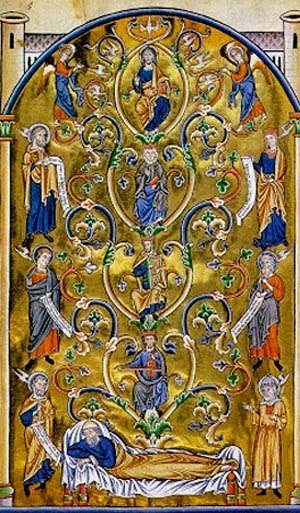
St John’s Day Blessing of Wine

The Blessing of Wine on St. John the Evangelist’s Feast

The blessing of wine on the feast of St. John the Evangelist (December 27) is a cherished tradition within the Church, blending Scripture, legend, and liturgical practice. This blessing carries profound spiritual and symbolic meaning, connecting the faithful to St. John’s life, witness, and the miraculous protection attributed to his intercession.

Origins of the Tradition

St. John the Evangelist, traditionally known as the author of the Gospel of John, the Epistles of John, and the Book of Revelation, is uniquely associated with themes of divine love, light, and truth. He is celebrated as the “Beloved Disciple,” who leaned on Christ’s breast at the Last Supper (John 13:23), making him an emblem of intimate communion with Jesus¹.

The association of wine with St. John arises from an early Christian legend. According to the story, St. John was challenged by a pagan priest to drink a cup of poisoned wine. Before consuming it, he made the Sign of the Cross and prayed over the chalice. The poison was rendered harmless, and St. John drank the wine without harm, thereby converting those who witnessed the miracle². This account became a symbol of St. John’s unwavering faith and the divine power protecting him.

Liturgical Practice of the Blessing

The Church incorporated this miraculous event into its liturgical life through the custom of blessing wine on St. John’s feast day. The ritual is included in the Roman Ritual, a book of prayers and blessings, and it is performed by a priest using a specific prayer and gestures³.

The text of the blessing highlights the protective and sanctifying power of God:

“Bless, O Lord, this creature of wine, that it may be a saving remedy to all who drink it; and grant that through the intercession of St. John, Apostle and Evangelist, all who partake of it may be preserved from every disease of mind and body and receive your blessing of health and peace.”

The prayer explicitly calls upon St. John’s intercession to ensure the wine brings spiritual and physical health to those who drink it. It also invokes divine protection against any harm, echoing the miraculous poisoning story.

This blessing can take place in various settings: during the Mass, after the Divine Office, or as part of a special ceremony where the faithful bring bottles of wine to be blessed.

Symbolism of Wine in Christian Tradition

The act of blessing wine on this feast day carries deep theological and spiritual significance.

Biblical Symbolism of Wine
In Scripture, wine is often associated with joy, abundance, and the covenant between God and His people. At the Wedding at Cana, Jesus performed His first miracle by turning water into wine (John 2:1–11). In the Eucharist, wine becomes the Blood of Christ, symbolizing His sacrificial love and union with the Church⁴. By blessing wine on St. John’s feast, the faithful are reminded of these biblical themes and the sanctity of creation.

Connection to St. John’s Witness
St. John’s writings are filled with imagery of life, love, and light—qualities also evoked by wine in Christian tradition. The blessed wine becomes a tangible sign of his intercession and a reminder of the protection and blessings that flow from God.

Spiritual Health and Protection
The blessing emphasizes the sacramental worldview of the Church, where material elements like wine are used as vehicles of divine grace. Just as St. John was unharmed by poison, the blessed wine is believed to convey health and spiritual well-being to those who consume it.

Customs and Cultural Practices

The blessing of wine on St. John’s feast day is celebrated in diverse ways across the Catholic world.

Blessed Wine in the Home
Families often bring bottles of wine to be blessed at church. These bottles are then shared at meals or kept for special occasions, such as toasting to health and happiness throughout the year. In some traditions, a small amount of the wine is reserved and used as a remedy during times of illness⁵.

The “St. John’s Toast”
It is customary to offer a toast in honour of St. John when drinking the blessed wine. The toast often includes a short prayer, such as:
“I drink you the love of St. John.”
This practice reinforces the communal and celebratory nature of the blessing, drawing families and friends together in gratitude and joy.

Regional Variations
In some regions, the blessing is accompanied by festive gatherings or parish celebrations, where the blessed wine is shared among the congregation. These events are an opportunity to strengthen bonds within the community and reflect on the virtues of St. John.

Spiritual Reflection

The blessing of wine on St. John’s feast invites the faithful to reflect on the saint’s life and witness. His writings emphasize themes of divine love and truth, encapsulated in verses such as “God is love” (1 John 4:8) and “The light shines in the darkness, and the darkness has not overcome it” (John 1:5). By blessing and sharing wine, Christians participate in a tradition that unites the material and spiritual realms, transforming a simple act into an expression of faith and thanksgiving.

Conclusion

The blessing of wine on the feast of St. John the Evangelist is a beautiful blend of history, liturgy, and devotion. It draws attention to St. John’s miraculous intercession, the sanctity of creation, and the joy of Christian fellowship. Whether shared among family, blessed for health, or simply enjoyed with gratitude, the blessed wine serves as a reminder of God’s providence and the enduring power of faith. This tradition remains a testament to the Church’s ability to elevate ordinary elements of daily life into profound expressions of divine grace.


¹ John 13:23.
² Butler, A., Lives of the Saints (December 27).
³ Roman Ritual, Blessings for Special Occasions.
⁴ John 2:1–11; Catechism of the Catholic Church, §1329.
⁵ Local customs documented in regional Church histories.


Rite for the Blessing of Wine on the Feast of St. John, Apostle and Evangelist

At the end of the principal Mass on the feast of St. John, Apostle and Evangelist, after the last Gospel, the priest, retaining all vestments except the maniple, blesses wine brought by the people. This is done in memory and in honour of St. John, who drank without any ill effects the poisoned wine offered to him by his enemies.

Priest: Our help is in the name of the Lord.
All: Who made heaven and earth.

P: The Lord be with you.
All: And with your spirit.

Let us pray. If it please Thee, O Lord God, bless + and consecrate + this vessel of wine by the power of Thy right hand; and grant that, through the merits of St. John, apostle and evangelist, all Thy faithful who drink of it may find it a help and a protection. As the blessed John drank the poisoned potion without any ill effects, so may all who today drink the blessed wine in his honor be delivered from poisoning and similar harmful things. And as they offer themselves body and soul to Thee, may they obtain pardon of all their sins; through Christ our Lord.
All: Amen.

O Lord, bless + this creature drink, so that it may be a health-giving medicine to all who use it; and grant by Thy grace that all who taste of it may enjoy bodily and spiritual health in calling on Thy holy name, through Christ our Lord.
All: Amen.

May the blessing of almighty God, Father, Son, + and Holy Ghost, come down upon this wine and remain always.
All: Amen.

It is sprinkled with holy water. If the blessing is given privately outside of Mass, the priest is vested in surplice and stole and performs the ceremony as given above.


St. John’s Love (serves 8)

When the blessed wine is drunk on his Feast Day, we drink it before dinner as a toast to St. John. The Father of the house lifts his glass toward Mother and says, “I drink you the love of St. John.” The Mother replies “I thank you for the Love of St. John” and then turns to the oldest child, lifts her glass, and says, “I drink you the love of St. John…” — and on it goes down the line until each has been toasted.

The wine may be drunk as is before and with dinner, as above, or may be mulled and used as in this recipe:

1 quart red wine
3 whole cloves
1/16 teaspoon ground cardamom
2 two-inch cinnamon sticks
1/2 teaspoon ground nutmeg
1/2 cup sugar

Pour the wine into a large saucepan. Add the remaining ingredients. Heat well for 5 minutes (this can evaporate the alcohol, sadly). Serve hot, clinking glasses with the toast “Drink the love of St. John!” Doing this in front of a roaring fire makes it all the better.

The Twelve Days of Christmas Catechism

Join Archbishop Jerome this Christmas season for a spiritual journey through the Twelve Days of Christmas, uncovering the hidden catechetical meaning behind this beloved carol. Each day’s reflection explores the virtues, teachings, and mysteries symbolized by the song’s “gifts,” drawing us closer to Christ and the abundant blessings of our faith. Rooted in Scripture and tradition, these meditations invite us to deepen our devotion, reflect on God’s call to holiness, and carry the light of Christmas into our daily lives.

The Twelve Days of Christmas: A Catechetical Journey

The Twelve Days of Christmas is often regarded as a joyful and whimsical carol, but beneath its festive melody lies a profound catechetical purpose. Traditionally celebrated from Christmas Day to the Feast of the Epiphany, these twelve days mark a time of spiritual reflection and renewal, inviting the faithful to delve deeper into the mysteries of Christ’s Incarnation and the truths of the Christian faith.

Historical tradition suggests that during the penal times in England, when Catholic practice was outlawed, the Twelve Days of Christmas served as a covert catechism. Its seemingly playful verses concealed a deeper meaning, allowing the faithful to teach and remember essential elements of their faith. Each “gift” in the carol represents a specific truth: the virtues, sacraments, commandments, and foundational doctrines of the Church. These symbolic gifts provided a way for the faithful to maintain their religious identity in a time of persecution.

This series of meditations by Archbishop Jerome, builds on the carol’s catechetical foundation, offering reflections rooted in Scripture and sacred tradition. Each day highlights the spiritual significance of the “gift,” guiding the faithful to consider its meaning in the light of Christ’s saving work. Through these meditations, we are reminded of the riches of God’s grace, the beauty of His Church, and the call to live as faithful disciples. May this journey through the Twelve Days of Christmas inspire a deeper understanding of the faith and renew our joy in the Good News of Jesus Christ.

St Stephen’s Day Blessing of Bread

The Blessing of Bread on St. Stephen’s Feast (December 26)

The blessing of bread on St. Stephen’s Day, observed on December 26, is a tradition that reflects the saint’s legacy of charity and service. St. Stephen, recognized as the first Christian martyr, was one of the original deacons appointed to distribute alms and care for the needy in the early Church. This practice of blessing bread embodies his commitment to aiding the poor and fostering community unity.

Origins and Significance

St. Stephen’s role as a deacon involved ensuring equitable distribution of resources among the early Christians, particularly widows and the impoverished¹. Bread, a fundamental symbol of sustenance, became associated with his acts of service. Blessing and sharing bread on his feast day serves as a reminder of the Christian duty to care for others, especially those in need².

Liturgical Practices

In various Christian traditions, the blessing of bread on St. Stephen’s Day is integrated into the liturgy. Priests may bless loaves of bread during or after the Mass, invoking God’s grace upon those who partake in it. The faithful often bring bread to be blessed, which they then share with family, neighbors, and the less fortunate, symbolizing communal bonds and the extension of charity³.

Cultural Traditions

Across different cultures, unique customs have developed around the blessing of bread on St. Stephen’s Day:

  • Poland and Slavic Countries: In Poland and other Slavic nations, bread is sometimes baked in the shape of horseshoes on St. Stephen’s Day. This practice is linked to St. Stephen’s patronage of horses, and the blessed bread is believed to bring protection and good fortune to livestock and their owners⁴.
  • Austria: Known as Stefanitag, St. Stephen’s Day in Austria includes traditions where horses are brought to towns or churches to be blessed by priests. These animals are often fed holy bread and salt during the blessing ceremonies, reflecting St. Stephen’s association with the welfare of horses⁵.
  • Ireland: In Ireland, St. Stephen’s Day, or Lá an Dreoilín (Wren Day), involves unique customs where groups, historically known as “wren boys,” would dress in costumes and go from house to house, singing and collecting offerings. While not directly related to the blessing of bread, these traditions emphasize community involvement and charity, resonating with the spirit of St. Stephen’s legacy⁶.
  • United Kingdom. Boxing Day, celebrated on December 26, derives its name from the historical custom of giving “Christmas boxes” to servants, tradespeople, and the poor, aligning with the charitable spirit of St. Stephen’s Day. Wealthy families would provide gifts or bonuses to their staff, who often worked on Christmas, while churches distributed donations collected in alms boxes to the needy. This tradition, reflecting St. Stephen’s example of service and generosity, evolved into a public holiday now associated with shopping sales, sports events, and acts of charity, maintaining its roots in gratitude and giving.

St. Stephen is the patron of stone masons, those with headaches, and, curiously, horses. The reason for this last is unknown, but this patronage is very ancient, and in rural cultures and olden times, horses are/were blessed, adorned, and taken out sleighing, and foods for horses were blessed to be fed to them in times of sickness. St. Stephen is most often represented in art at in deacon’s vestments at his martyrdom, with a pile of rocks, with a wounded head, etc.

Symbolism and Spiritual Reflection

The blessed bread serves as a tangible representation of Christ, the “Bread of Life,” and reflects the Eucharistic significance of unity and sharing in the Christian faith⁷. Consuming or distributing this bread on St. Stephen’s Day encourages the faithful to emulate his virtues of generosity, service, and unwavering faith, reinforcing the call to support and uplift one another within the community⁸.

A note about this day and the next and the next: each of the first three days following the Feast of the Nativity commemorates a different type of martyrdom, and by remembering each type of martyrdom that was endured, you can remember the order of these Feasts:

The Feast of Stephen on the 26th recalls the highest class of martyrdom — that offered by both deed and the will — or “martyr by will, love, and blood.”

The Feast of St. John the Evangelist on the 27th recalls the second highest class of martyrdom, a sort of dry martyrdom — the martyrdom offered by those we call “confessors,” i.e., people who suffered for the Faith, would die for the Faith, but, in fact, didn’t have to. St. John was a martyr by “will and love.”

The Feast of the Holy Innocents on the 28th recalls the sort of martyrdom in deed, but not of the will as they were too young to form such a desire. They were martyrs by blood alone, but it is said that “that God supplied the defects of their will by His own acceptance of the sacrifice.”
Note, though, that the term “martyr” is otherwise almost always used exclusively for those who’ve actually died for the Faith, not for confessors .

On an historical note, the Feast of Stephen was once offered in honour of all deacons, and the Feast of St. John was offered for all priests, while the Feast of the Holy Innocents was offered for all choirboys and students.

Conclusion

The tradition of blessing bread on St. Stephen’s Feast is a meaningful observance that intertwines liturgical practice with cultural expressions of faith. It honours St. Stephen’s dedication to charity and service, inspiring believers to continue his mission of compassion and care for others, particularly during the Christmas season when themes of giving and community are paramount.


¹ Acts 6:1–6.
² Butler, A., Lives of the Saints (December 26).
³ Roman Ritual, Blessing of Bread.
⁴ Traditional Polish customs for St. Stephen’s Day.
⁵ Austrian cultural traditions, Blessings and Feasts.
⁶ Pilgrimage Medieval Ireland, Lá an Dreoilín: Wren Day.
⁷ John 6:35; Catechism of the Catholic Church, §1329.
⁸ Regional practices documented in Christmas and Feast Day Customs.


St. Stephen’s Day Pie

The most common recipes that have “St. Stephen” in their titles are ones that use up leftovers from the Christmas feast. One such recipe is for St. Stephen’s Day Pie, which uses up leftover meat, vegetables, and mashed potatoes:

1 TBSP butter
1/2 onion, minced
2 cloves garlic, minced
2 cups leftover turkey or ham (or a combination of the both), chopped
1 cup mixed vegetable or peas or corn or combination therefor (frozen is fine)
1 cup turkey gravy, approximately*
salt & pepper to taste
2 tsp marjoram
4 cups mashed potatoes

Heat oven to 350F. In a medium-sized cast-iron skillet, melt butter, add onions and garlic, and cook until soft. Add meat and mixed vegetables. Add enough gravy for all the ingredients to come together, the marjoram, and salt and pepper. Turn off the heat, and evenly spread the mixture in the skillet (or transfer to a 9X13 pan). Warm up the mashed potatoes, and mix in enough milk to soften them and make them spreadable. When soft, spread over the filling in the skillet (or the 9X13 pan). Smooth the top of the meat mixture, making a pretty pattern in the top as you do. Bake at 350F for 25 minutes, or until the top turns golden.

  • You can use one cup of chicken, turkey, or vegetable stock thickened by a roux (a TBSP of flour and a TBSP of butter cooked together for 1 minute)

A message for Christmas

The Most Revd Jerome Lloyd, Titular Archbishop of Selsey’s Christmas Message for 2024AD to the clergy and faithful of the Old Roman Apostolate.

“And the Word was made flesh, and dwelt among us, full of grace and truth” (John 1:14).

Dear Faithful,

As we celebrate the Nativity of Our Lord Jesus Christ, we are reminded once again of the eternal truth of the Incarnation: God became man to save us from sin and to reconcile humanity with Himself. In this divine mystery, the heavens rejoice, and the earth is renewed, for in the Christ Child, born in Bethlehem, we find the fulfilment of God’s promise to His people.

Yet, as we look upon the world today, we cannot fail to see the grave dangers that threaten both the faith and the moral order. Across the globe, we witness the rise of ideologies that seek to undermine the truth of Christ, erode the sanctity of life, and dismantle the family, the fundamental unit of society as ordained by God. These are not mere political or social trends but manifestations of a deeper spiritual battle—a battle between the forces of good and evil, between Christ the King and the prince of this world.

The Crisis of Our Time
In many nations, the faithful face persecution, not only through overt acts of violence but also through insidious efforts to silence the Church and marginalize her teachings. The growing secularization of society has led to a rejection of divine law and an embrace of relativism, whereby truth is replaced with opinion, and virtue is mocked as intolerance. This crisis is not confined to any one nation but is global in scope, affecting every corner of Christendom.

Even within the Church, we face challenges that test our fidelity to the Gospel. The forces of modernism and compromise have infiltrated the sacred halls of our Holy Mother Church, sowing confusion among the faithful. It is in times like these that we must stand firm, clinging to the immutable truths of the faith as handed down through Sacred Scripture and Tradition.

The Light of the Nativity
Yet, amid this darkness, the light of the Nativity shines forth. Christ came into the world not in power or wealth but in the humility of a manger. His birth is a call to reject the false promises of the world and to embrace the eternal hope found in Him alone. As the angels proclaimed to the shepherds, “Glory to God in the highest; and on earth peace to men of good will” (Luke 2:14). True peace and justice can only be found in the reign of Christ, who is the Way, the Truth, and the Life.

A Call to Action
This Christmas, I urge you, dear faithful, to renew your commitment to the faith. Strengthen your families in prayer and devotion, for the family is the domestic church and the first line of defence against the errors of the age. Stand boldly for the truth, even when it is unpopular or difficult. Do not be afraid to proclaim Christ as the only Saviour of mankind and the sole hope for our salvation.

Let us also remember to pray fervently for the persecuted Church, for the conversion of sinners, and for the triumph of the Immaculate Heart of Mary. The times in which we live are challenging, but we know that the ultimate victory belongs to Christ, who reigns now and forever.

As we kneel before the manger, may we entrust ourselves fully to the Lord, seeking His grace and strength to remain faithful in all things. May the Holy Family of Jesus, Mary, and Joseph inspire us to live lives of holiness, sacrifice, and love, as we await the day when He will come again in glory.

With my apostolic blessing, I wish you a most blessed and holy Christmas.

Adventus Regis: A meditation for Christmas Eve and the Christmas Season

As Mass is offered later in the day on Christmas Eve, this meditation is offered to prepare our hearts and minds for the profound mystery of the Incarnation. It is an opportunity to reflect deeply on the gift of the Word made flesh, the humility of His birth in a stable, and the unfathomable love of God that brought salvation to the world. Let us enter into this sacred time with reverence and gratitude, setting aside worldly concerns to focus on the light of Christ, who dispels all darkness and fills our lives with hope and peace.

O Emmanuel

The seventh great “O” is: O Emmanuel, Rex et legifer noster, exspectatio gentium, et Salvator earum: veni ad salvandum nos Domine Deus noster.

English: O Emmanuel, God with us, our King and lawgiver, the expected of the nations and their Savior: come to save us, O Lord our God.

It reflects the following prophecies and Scripture:

O Emmanuel, God with us, our King and lawgiver, the expected of the nations and their Saviour:

  • immanuel03Therefore the Lord himself shall give you a sign; Behold, a virgin shall conceive, and bear a son, and shall call his name Immanuel. Isaiah 7:14 [also Isaiah 8:8; Isaiah 8:10] The Hebrew word ‘virgin’ occurs seven times in the Old Testament. It means a young woman of marriageable age, normally a virgin (Gen. 24:43). The Septuagint (the Greek translation of the Old Testament made about 150 b.c.) translated with a word more specifically meaning “virgin.” The New Testament understands Isaiah to be designating the Virgin Mary (Matt. 1:23). See “The Virgin Birth of Jesus” at Luke 1:27. Immanuel means “God with us.” The name conveys God’s promise to save, bless, and protect His children. Tradition identifies the child as the Messiah, a divine personage whose birth is above nature. It equates the Child named “Immanuel” with the Child possessing God’s titles in 9:6, and with the “Branch” of ch. 11.
  • Isaiah7.14Behold, a virgin shall be with child, and shall bring forth a son, and they shall call his name Emmanuel, which being interpreted is, God with us. Matthew 1:23 Jesus’ conception by a virgin is miraculous, announcing that God will soon redeem His people and is present with them. This quotation is the first of a number of Old Testament references Matthew uses to show that Jesus fulfills the Old Testament. A parallel thought is found in  John 1:14 And the Word was made flesh, and dwelt among us, (and we beheld his glory, the glory as of the only begotten of the Father,) full of grace and truth. Highlighting the fulfilment of the Messianic prophecies in Christ (see O Adonai)
  • And I will shake all nations, and the desire of all nations shall come: and I will fill this house with glory, saith the LORD of hosts. Haggai 2:7 (see O Rex gentium)

come to save us, O Lord our God.

  • Again the Church expresses the prayer of the redeemed who recognise Christ as the “Word” i.e. the “logos”, the “Ruach Elohim” the Creator with God of the world, see O Sapientia.
YouTube player

YouTube player

O Rex gentium

YouTube player

The sixth great “O” is: O Rex gentium, et desideratus earum, lapisque angularis, qui facis utraque unum: veni, et salva hominem, quem de limo formasti.

English: O King of the gentiles and their desired One, the cornerstone that makes both one: come, and deliver man, whom you formed out of the dust of the earth.

It reflects the following prophecies and Scripture:

O King of the gentiles and their desired One,

  • council_in_heaven2And they sing the song of Moses the servant of God, and the song of the Lamb, saying, Great and marvellous are thy works, Lord God Almighty; just and true are thy ways, thou King of saints. Revelation 15:3 Most probably the song of deliverance after the passage of the Red Sea (Exodus 15.), to which this bears a general resemblance. Moses is called the “servant of God” in Exodus 14:31 and elsewhere. The song of Moses is also the song of the Lamb; the Old Testament and the New Testament Churches are one. Saying, Great and marvellous are thy works, Lord God Almighty (cf. Exodus 15:7, “And in the greatness of thine excellency thou hast overthrown them;” also Psalm 111:2; Psalm 139:14). This song, like that in Revelation 4:8, is addressed to the “Lord God Almighty.” Christ is in this song addressed as a divine person, as Lord of all, God over all, blessed for ever, the Almighty God, as His works declare Him to be; His works of creation, providence, and redemption, which are all great and marvellous, particularly the accomplishment of the glorious things spoken of His church, and the destruction of His enemies, which are here designed (see O Adonai and O Clavis David).

the cornerstone…

  • The Corner StoneTherefore thus saith the Lord GOD, Behold, I lay in Zion for a foundation a stone, a tried stone, a precious corner stone, a sure foundation: he that believeth shall not make haste. Isaiah 28:16 [comp. The stone which the builders refused is become the head stone of the corner. Psalm 118:22] In contrast with the insecure refuge and false ground of confidence whereon the nobles relied, the prophet puts forward the one sure “Rock” on which complete dependence may be placed – which he declares that Jehovah is laying, or “has laid,” in Zion as a tried stone, a precious corner stone, a sure foundation. The imagery is, no doubt, drawn from the practice of Oriental kings, and notably Solomon, to employ foundation-stones of enormous size and weight at the corners of buildings. Some of those uncovered at the corners of Solomon’s temple by the Palestine Exploration Fund are more than thirty-eight feet long, and weigh above a hundred tons (see ‘Our Work in Palestine,’ pp. 38, 115). But the reference cannot, of course, be to the material structure of the temple as Israel’s true refuge. Rather, Jehovah himself would seem to be the Rock (Isaiah 26:4; Isaiah 30:29, etc.) intended; and hence the application to Christ by the writers of the New Testament (Romans 9:33; Ephesians 2:20; 1 Peter 2:6-8) was natural and easy.

…that makes both one:

  • High_Priest_Jesus_heaven_Ark-of-the-Covenant“Jesus saith unto them, Did ye never read in the scriptures, The stone which the builders rejected, the same is become the head of the corner: this is the Lord’s doing, and it is marvellous in our eyes?” Matthew 21:42 [Mark 12:10; Luke 20:17] By the Old Testament saints, and by saints in all ages, who have ventured their souls on Him, and laid the whole stress of their salvation upon Him, and have been saved by Him; and by Satan, and his principalities and powers, by his temptations of Him in the wilderness, and by his attacks upon Him in the garden, and on the cross, and found Him to be an immovable stone, and were broken by Him; and by His divine Father, who tried His faithfulness by trusting Him with all His elect, and the salvation of them; and His great strength, by laying upon Him all their sins, and the punishment due unto them. Some render it, “a stone of trial”, or “a trying stone” by which men are tried, and discovered to be what they are, whether believers or unbelievers, sincere Christians or hypocrites; which may be known by their conduct and behaviour to Christ; if they come to Him as a living stone, and He is precious to them, they are true believers; but if He is to them a stone of stumbling, and a rock of offence, they are unbelievers, and reprobate persons, 1 Peter 2:4,
  • This is the stone which was set at nought of you builders, which is become the head of the corner. Acts 4:11 So the Apostles preach themselves that Christ is the foundation of all their ministry, so that the churches “…are built upon the foundation of the apostles and prophets, Jesus Christ himself being the chief corner stone” Ephesians 2:20

come, and deliver man, whom you formed out of the dust of the earth.

  • So the Church expresses the prayer of the redeemed who recognise Christ as the “Word” i.e. the “logos”, the “Ruach Elohim” the Creator with God of the world, see O Sapientia.

Reflection


YouTube player

Nuntiatoria XXXVII: Verbum Caro

To Our Esteemed Nuntiatoria Readers,

As we celebrate the joyous mystery of the Word made flesh, we wish you a blessed and holy Christmas filled with the peace and light of Christ. Your faithful readership and support throughout the year have been a source of encouragement and strength for our mission of sharing the timeless truths of the Faith.

As we prepare to welcome a new year, we invite you to continue this journey with us, deepening your knowledge, fortifying your faith, and drawing ever closer to the heart of Our Lord. Your engagement with the Nuntiatoria strengthens our shared commitment to proclaiming the Gospel and preserving the rich traditions of the Church.

This marks our final edition until the great feast of Epiphany. May this sacred season be one of profound grace for you and your loved ones. Together, let us carry forward the light of Christ into the coming year.

With prayers and blessings,
The Nuntiatoria Team

From the Primus

Carissimi

“And the Word was made flesh, and dwelt among us, full of grace and truth.” (John 1:14)

As we celebrate the sublime mystery of the Nativity of Our Lord Jesus Christ, I write to you in the spirit of profound reverence and holy urgency. The birth of the Saviour—the Incarnate Word—is an event that not only divides history but unites Heaven and earth. In these times of great trial and confusion, the light of Bethlehem shines with even greater clarity, calling us back to the immutable truths of our Holy Faith.

The Incarnation: God’s Triumph Over Darkness

The Holy Infant, born in a humble manger, is the eternal response to the rebellion of sin and the darkness of a fallen world. He comes not in power and majesty, but in meekness and purity, to teach us that the Kingdom of God is built not upon the principles of this world but upon the eternal decrees of the Almighty. His birth is the culmination of divine love—a love that seeks to redeem and restore, even when humanity has turned away.

In our era, marked by confusion and rebellion, the Incarnation offers the clearest possible contrast. As modern society glorifies pride, rebellion, and falsehood, Christ’s birth in poverty and humility reveals the path to true greatness. The manger in Bethlehem calls us to reject the false promises of the world and to embrace the eternal truths of our faith.

The events of the past year have underscored the spiritual warfare in which we are engaged. Whether it is in the defence of life against the growing acceptance of euthanasia, or in protecting the innocence of children from harmful ideologies, we are reminded that our fight is not against flesh and blood, but against the powers of darkness. The birth of Christ is our assurance that the light shines in the darkness, and the darkness cannot overcome it.

A Year of Mission and Witness

This year, by the grace of God, I have had the privilege of visiting many communities across the globe. From the fervent devotion of the faithful in the Philippines to the ancient traditions preserved in Greece, from the prayerful gatherings in the Czech Republic to the vibrant witness of traditional Catholics in the United States, these journeys—spanning over 42,900 miles—have been a source of inspiration and renewal.

In the Philippines, the faith of the people shines brightly despite material hardships. Their love for Christ and His Church is evident in their worship and their daily lives. In Greece, the land of saints and martyrs, I witnessed the enduring power of tradition to anchor the faithful amidst the storms of modernity. Each visit reminded me of the universality of the Catholic Faith and the strength that comes from our shared commitment to the Gospel.

The Nuntiatoria publications have also played a crucial role this year. These newsletters have provided theological insights, addressed the pressing moral issues of our time, and shared updates on the Apostolate’s mission. They are a reminder that the work of proclaiming the Gospel is not limited to the pulpit but extends to every means of communication. Through these efforts, we have strengthened the bonds of faith and provided clarity amidst the confusion of our age.

Christmas: A Time for Conversion and Hope

The birth of Christ is not merely an event to be remembered but a call to action. Just as the shepherds left their flocks to adore the new-born King, we too must leave behind all that hinders us from embracing the fullness of God’s will. This Christmas, I urge you to make a heartfelt examination of conscience and approach the Sacrament of Confession with humility. Do not delay, for God’s mercy is infinite, and He waits to welcome you back into His grace.

This holy season is also a time of profound hope. The trials and challenges we face—whether in our personal lives, in our communities, or on a global scale—are not the end of the story. The Child of Bethlehem is the Prince of Peace, and His reign will have no end. Trust in His promises, and let His light guide you through the darkness.

A Call to Resist and Rebuild

In these perilous times, we are called not only to resist the encroachments of the enemy but to actively rebuild the Church upon the foundation of Christ. This requires unwavering fidelity to Sacred Tradition, a rejection of compromise with error, and a willingness to suffer for the truth. The attacks against the Church today come not only from external forces but also from within. We must be vigilant against the spirit of the world that seeks to dilute and distort the Faith.

To resist is not enough; we must also rebuild. Families, as the domestic Church, must become strongholds of faith and virtue. Fathers and mothers must teach their children the truths of the Faith and shield them from the corrupting influences of modern society. Prayer, particularly the Holy Rosary, must become central to our lives, as Our Lady has given it to us as a powerful weapon against evil.

Let us also work to restore reverence and beauty in our worship. The liturgy is the highest expression of our Faith, and through it, we encounter the living God. By restoring the sacredness of our worship, we restore the soul of the Church.

A Blessing for the New Year

As we stand at the threshold of a new year, let us move forward with courage and hope. The challenges before us are great, but our God is greater. May the light of Christ illumine your paths, and may His grace sustain you in every trial. Let us take inspiration from the Holy Family, whose trust in God’s providence enabled them to endure hardships and fulfill their mission.

The new year is an opportunity for renewal—a time to deepen our commitment to the Faith, to strengthen our families, and to rededicate ourselves to the mission of the Church. Let us work together to restore all things in Christ, trusting that He who began this good work in us will bring it to completion.

With my paternal blessing and prayers for you and your families, I remain,

Yours, always in Christ

Christmas Ordo

Sunday, December 22 – Fourth Sunday of Advent

Dominica IV Adventus ~ Semiduplex Dominica II. classis

  • Liturgical Colour: Violet
  • Mass: “Roráte Cæli”
  • Epistle: 1 Corinthians 4:1-5
  • Gospel: St Luke 3:1-6
  • Preface: Preface of the Trinity
  • Commemorations:
    • de S. Maria Adventus
    • Contra persecutores
  • Special Notes: Final Sunday of Advent; focus on preparing spiritually for the Nativity.

Missalette: Sunday Advent IV

Monday, December 23 – Greater Feria of Advent

Feria II infra Hebdomadam IV Adventus ~ Feria major

  • Liturgical Colour: Violet
  • Mass: “Roráte Cæli”
  • Epistle: 1 Corinthians 4:1-5
  • Gospel: St Luke 3:1-6
  • Preface: Preface of the Common
  • Commemorations:
    • de S. Maria Adventus
    • Contra persecutores
  • Special Notes: The “O Antiphons” final; anticipate the Nativity of Our Lord.

Tuesday, December 24 – Vigil of the Nativity

In Vigilia Nativitatis Domini ~ Duplex I. classis

  • Liturgical Colour: Violet
  • Mass: “Hodie scietis” (Vigil Mass of the Nativity)
  • Epistle: Romans 1:1-6
  • Gospel: St Matthew 1:18-21
  • Preface: Preface of the Common
  • Commemorations: None
  • Special Notes: Fasting and abstinence observed; Mass is traditionally offered late afternoon; anticipation of the joy of Christmas.

Wednesday, December 25 – Nativity of Our Lord (Christmas)

In Nativitate Domini ~ Duplex I. classis

  • Liturgical Colour: White
  • Midnight Mass: Missa in Nócte “Dóminus dixit” Mass of the Angels
    • Epistle: Titus 2:11-15
    • Gospel: St Luke 2:1-14
    • Preface: Preface & Communicantes of the Nativity
    • Commemorations: None
    • Proper Last Gospel: St John 1:1-14
  • Dawn Mass: Missa in Auríra “Lux fulgébit” – Mass of the Shepherds
    • Epistle: Titus 3:4-7
    • Gospel: St Luke 2:15-20
    • Preface: Preface & Communicantes of the Nativity
    • Commemorations: For St. Anastasia
    • Proper Last Gospel: St John 1:1-14
  • Day Mass: Missa in Dié “Puer natus” Mass of the King
    • Epistle: Hebrews 1:1-12
    • Gospel: St John 1:1-14
    • Preface: Preface & Communicantes of the Nativity
    • Commemorations: None
    • Proper Last Gospel: St Matthew 2:1-12
  • Special Notes: Holy Day of Obligation; three distinct Masses celebrate the mystery of Christ’s birth. The commemoration of St. Anastasia is made at the Second Mass.

Missalette: First Mass of Christmas Day

Missalette: Second Mass of Christmas Day

Missalette: Third Mass of Christmas Day

Thursday, December 26 – St. Stephen, First Martyr

S. Stephani Protomartyris ~ Duplex II. classis

  • Liturgical Colour: Red
  • Mass: “Sedérunt príncipes”
  • Epistle: Acts 6:8-10; 7:54-59
  • Gospel: St Matthew 23:34-39
  • Preface: Preface & Communicantes of the Nativity
  • Commemorations: Octave of the Nativity
  • Special Notes: First of the Comites Christi (Companions of Christ).

Missalette: St Stephen Protomartyr

Friday, December 27 – St. John the Apostle and Evangelist

S. Johanni Apostoli ~ Duplex II. classis

  • Liturgical Colour: White
  • Mass: “In Medio Ecclesiæ”
  • Epistle: 1 John 1:1-4
  • Gospel: St John 21:19-24
  • Preface: Preface & Communicantes of the Nativity
  • Commemorations:
    • For the Octave of the Nativity
    • For the Octave of St Stephen
  • Special Notes: Second of the Comites Christi.

Missalette: St John the Apostle

Saturday, December 28 – Holy Innocents, Martyrs

Ss. Innocentium ~ Duplex II. classis

  • Liturgical Colour: Violet
  • Mass: “Ex Ore Infántium”
  • Epistle: 1 John 1:1-10; 2:1-2
  • Gospel: St Matthew 2:13-18
  • Preface: Preface & Communicantes of the Nativity
  • Commemorations:
    • For the Octave of the Nativity
    • For the Octave of St Stephen
    • For the Octave of St John
  • Special Notes: Third of the Comites Christi; focus on the innocent victims of Herod’s cruelty.

Missalette: Holy Innocents

Sunday, December 29 – Sunday in the Octave of Christmas & Feast of St. Thomas of Canterbury

Dominica Infra Octavam Nativitatis ~ Semiduplex Dominica minor

  • SUNDAY IN THE OCTAVE OF THE NATIVITY
    • Liturgical Colour: White
    • Mass Sunday in the Octave: “Dum Médium Silentium”
    • Epistle: Galatians 4:1-7
    • Gospel: St Luke 2:33-40
    • Preface: Preface & Communicantes of the Nativity
    • Commemorations:
      • For the Octave of the the Nativity
      • St Thomas of Canterbury
      • For the Octave of St Stephen
      • For the Octave of St John
      • For the Octave of Holy Innocents

S. Thomæ Cantuariensis Episcopi et Martyris ~ Duplex

  • Mass St. Thomas of Canterbury: “Statuit Ei Dominus”
    • Liturgical Colour: Red
    • Epistle: Hebrews 5:1-6
    • Gospel: St John 10:11-16
    • Preface: Preface & Communicantes of the Nativity
    • Commemorations:
      • For the Octave of the the Nativity
      • For Sunday in the Octave of the Nativity
      • For the Octave of St Stephen
      • For the Octave of St John
      • For the Octave of Holy Innocents
    • Proper Last Gospel: St Luke 2:33-40 (Sunday in the Octave of the Nativity)
  • Special Notes: St. Thomas Becket, Martyr and Archbishop of Canterbury, is celebrated in the UK and Churches/Chapels dedicated under his patronage. Both celebrations may be observed; consult local Ordo.

Missalette: Sunday in the Octave of the Nativity

Missalette: St Thomas of Canterbury

Monday, December 30 – Sixth Day in the Octave of Christmas

  • Sixth Day in the Octave of Christmas
    • Liturgical Colour: White
    • Mass: “Puer natus”
    • Epistle: Titus 3:4-7
    • Gospel: St Luke 2:15-20
    • Preface: Preface & Communicantes of the Nativity
    • Commemorations:
      • For the Octave of the the Nativity
      • For the Octave of St Stephen
      • For the Octave of St John
      • For the Octave of Holy Innocents
  • Special Notes: A day for quiet reflection on the mystery of the Incarnation.

Tuesday, December 31 – St. Sylvester I, Pope

  • Liturgical Colour: White
  • Mass: “Sacerdótes Tui”
  • Epistle: 1 Peter 5:1-4, 10-11
  • Gospel: Matthew 16:13-19
  • Preface: Preface & Communicantes of the Nativity
  • Commemorations:
    • For the Octave of the Nativity
    • For the Octave of St Stephen
    • For the Octave of St John
    • For the Octave of Holy Innocents
  • Special Notes: Pope St. Sylvester I is commemorated for his role in the early Church and the Council of Nicaea.

Wednesday, January 1 – The Circumcision of Our Lord Jesus Christ

In Circumcisione Domini ~ Duplex II. classis

  • Liturgical Colour: White
  • Mass: “Puer natus”
  • Epistle: Galatians 4:1-7
  • Gospel: Luke 2:21
  • Preface: Preface & Communicantes of the Nativity
  • Special Notes: Holy Day of Obligation; commemorates the circumcision and naming of Jesus.

Missalette: The Circumcision of Our Lord

Thursday, January 2 – The Octave Day of St Stephen Protomartyr

In Octava Sancti Stephani Protomartyris ~ Duplex

  • Liturgical Colour: Red
  • Mass: “Sedérunt príncipes”
    • Epistle: Acts 6:8-10; 7:54-59
    • Gospel: St Matthew 23:34-39
    • Preface: Preface of the Nativity
    • Commemorations:
      • For the Octave of St John
      • For the Octave of Holy Innocents

Friday, January 3 – The Octave Day of St John the Evangelist

In Octava S. Joannis Apostoli et Evangelistæ ~ Duplex

  • Liturgical Colour: White
  • Mass: “In médio Ecclésiæ”
    • Epistle: Ecclesiasticus 15:1-6
    • Gospel: St John 21:19-24
    • Preface: Preface of the Nativity
    • Commemorations:
      • For the Octave of Holy Innocents

Saturday, January 4 – The Octave Day of Holy Innocents

In Octava Ss. Innocentium ~ Duplex

  • Liturgical Colour: Red
  • Mass: “Ex ore infántium”
    • Epistle: Revelation 14:1-5
    • Gospel: St Matthew 2:13-18
    • Preface: Preface of the Nativity
    • Commemorations: None
  • Special Notes: today the Holy Innocents are remembered as martyrs.

Sunday, January 5 – Vigil of the Epiphany

In Vigilia Epiphaniæ ~ Semiduplex

  • Liturgical Color: White
  • Mass: “Dum Médium Silentium” (from the Octave of the Nativity)
    • Epistle: Galations 4:1-7
    • Gospel: St Matthew 2:19-23
    • Preface: Preface of the Nativity
    • Commemorations: de Sancta Maria
  • Special Notes:
  • This is the Twelfth day since the Birth of our Emmanuel. If the Vigil of the Epiphany fall on a Sunday, it shares, with Christmas Eve, the privilege of not being anticipated, as all other Vigils are, on the Saturday: it is kept on the Sunday, has all the privileges of a Sunday, and the Mass is that of the Sunday within the Octave of Christmas Day. Let us, therefore, celebrate this Vigil in great joy of heart, and prepare our souls for tomorrow’s graces.
  • Epiphany Water: is blessed after Compline or after Mattins. This blessing comes from the Orient, where the Church has long emphasized in her celebration of Epiphany the mystery of our Lord’s baptism, and by analogy our baptism. This aspect is not neglected in western Christendom, although in practice we have concentrated on the visit of the Magi. Many years before the Latin Rite officially adopted the blessing of Epiphany water, diocesan rituals, notably in lower Italy, had contained such a blessing.

Missalette: Vigil of the Epiphany

Blessing of Epiphany Water

Epiphany House Blessings

O Clavis David

YouTube player

The fourth great “O” is: O Clavis David, et sceptrum domus Israel; qui aperis, et nemo claudit; claudis, et nemo aperit: veni, et educ vinctum de domo carceris, sedentem in tenebris, et umbra mortis.

English: O Key of David and sceptre of the House of Israel; you open and no one can shut; you shut and no one can open: Come and lead the prisoners from the prison house, those who dwell in darkness and the shadow of death.

It reflects the following prophecies and Scripture:

O Key of David and sceptre of the House of Israel;

  • sceptre“For unto us a child is born, unto us a son is given: and the government shall be upon his shoulder: and his name shall be called Wonderful, Counsellor, The mighty God, The everlasting Father, The Prince of Peace.” Isaiah 9:6 (comp. Isaiah 7:14-16, where the promise of “a child,” “a son,” is first made – a child who was, like this Child, to be “God with us”). The word translated “government” (misrah) occurs only here and in verse 7, it is probably to be connected with sat, “prince,” and Israel. Government was regarded as a burden, to be born on the back or shoulders, and was sometimes symbolized by a key laid upon the shoulder. Vizier means “burdened.” The Latin writers often speak of the civil power as borne on the shoulders of magistrates (Cic., ‘Orat. pro Flacc,’ § 95; Plin., ‘Paneg.,’ § 10).
    “His name shall be called.” It is not important whether we view what follows as one name or several. Isaiah does not mean that the “Child” should bear as a name, or names, any of the expressions, but only that they should be truly applicable to him.
    “Wonderful” The Messiah would be “wonderful” in His nature as God-Man; in His teaching, which “astonished” those who heard it (Matthew 7:28); in His doings (Isaiah 25:1); in the circumstances of His birth and death; in His resurrection, and in His ascension. “Wonder” would be the first sentiment which His manifestation would provoke, and hence this descriptive epithet is placed first.
    “Counsellor” As the Word, as Wisdom itself, as He who says, “Counsel is mine, and sound wisdom: I am Understanding” (Proverbs 8:14), He is well named “Counsellor.” None will ever seek His counsel in vain, much less repent of following it.
    “The mighty God” The term “El”, God, had been previously applied to the Messiah only in Psalm 45:6. It denotes in Isaiah absolute divinity; it is never used hyperbolically or metaphorically.
    “The Everlasting Father”  If the term “Father,” applied to our Lord, sits uncomfortably with us, we must remember that the distinction of three Persons in the Godhead had not yet been revealed (in Scripture). But the reference here is indeed to the Everlasting Father, the one Creator, Preserver, Protector of mankind who is absolutely eternal.
    “The Prince of Peace” A “Prince of Peace” had been long shadowed forth, as in Melchizedek, “King of Salem,” i.e. “of Peace;” and again in Solomon, “the peaceful one;” and Isaiah himself had already prophesied the peacefulness of the Messiah’s kingdom (Isaiah 2:4). Compare the song of the angels at our Lord’s birth (Luke 2:14). If the peacefulness has not vet very clearly shown itself, our Lord’s kingdom has yet to come into the hearts of most men. Christ is a Prince, often so called, Ezekiel 34:24 He is so by birth, being the King’s Son, the Son of God, and by office, power, and authority; He is so a Prince as that He is a King; He is exalted to be a Prince and a Saviour; and He is a Prince superior to kings, being the Prince of the kings of the earth, Acts 5:31 and He is called the “Prince of peace”, because he is the author of peace; just as He is said to be the “Prince of life”, Acts 3:15 for the same reason: He is the author of peace between Jew and Gentile, by abrogating the ceremonial law, the enmity between them, and by sending the Gospel to both, and making it the power of God to salvation to some of each of them, and by bringing them into the same Gospel church state, and making them partakers of the same privileges and blessings, internal and external, Ephesians 2:14 and He is the author of peace between God and sinners; He has made it by the blood of the cross, having the chastisement of their peace laid upon Him, in consequence of a covenant of peace He made with his Father, who was in Him reconciling the world to Himself.
  • “His authority shall grow continually, and there shall be endless peace for the throne of David and his kingdom. He will establish and uphold it with justice and with righteousness from this time onwards and for evermore.” Isaiah 9:7 The Messiah’s kingdom shall ever increase more and more; there shall be no limits to it; ultimately it shall fill the world (comp. Matthew 28:18, 19). The continual spread of Christianity tends to the accomplishment of this prophecy. That the Messiah is to sit on the throne of David, suggests, but does not absolutely imply, His Davidic descent. That descent is, however, announced with sufficient clearness in Isaiah 11:1, 10 (see O Radix Jesse). A gradual establishment of the kingdom would seem to be implied, such as is taught also in the parables of the mustard seed and the leaven. The kingdom is to be both universal in respect of extent and in respect of duration eternal. God’s jealousy of his own honour, which is bound up with the prosperity and final triumph of his people over all their enemies, will assure the performance of all that is here prophesied.
  • Key_David_Bookcover“I will place on his shoulder the key of the house of David; he shall open, and no one shall shut; he shall shut, and no one shall open.” Isaiah 22:22 The first mention of the key of the house of David is found in the book of Isaiah, in a description of the duties of Eliakim, the royal chamberlain of King Hezekiah of Judah: And it shall come to pass in that day, that I will call my servant Eliakim the son of Hilkiah: And I will clothe him with thy robe, and strengthen him with thy girdle, and I will commit thy government into his hand: and he shall be a father to the inhabitants of Jerusalem, and to the house of Judah. And the key of the house of David will I lay upon his shoulder; so he shall open, and none shall shut; and he shall shut, and none shall open. (Isaiah 22:20-22) The key of the house of David is symbolic for the government of Eliakim in Isaiah 22 (v.21), which is a type or symbol of the government of Jesus Christ as described in Isaiah 9. Note also that according to Isaiah, the government or kingdom of Jesus Christ is established, or founded, on a work of judgement (Isa 9:7). This is an important aspect of the key of the house of David.The key of the house of David, possessed by Christ, opens two important doors. In the travelling Tabernacle of Moses, there were two “doors”. Through the first door was the Holy Place, the first apartment. This is the door opened first chronologically in Revelation 4:1, in the heavenly Tabernacle, with the key of David. “After this I looked, and, behold, a door was opened in heaven: and the first voice which I heard was as it were of a trumpet talking with me; which said, Come up hither, and I will show thee things which must be hereafter. And immediately I was in the spirit; and, behold, a throne was set in heaven, and one sat on the throne.” Rev 4:1-2 The scene that John sees in heaven after the first door is opened, is a throne room (Rev 5:6-11).  In this scene, the one on the throne is God the Father, and the Lamb as it had been slain is Jesus, returning to His Father from His crucifixion. There is a book or scroll with seven seals which only Jesus as the slain Lamb can open, and the seals are opened in sequence from Rev. 6:1 to 8:1. Christ as the sacrificed Lamb is the only one qualified to receive the title deed to the Kingdom, containing the names of all the saved, the Lamb’s book of life. The type of this in the Old Testament is the kinsman redeemer Boaz, who by purchasing the land of Naomi, also took Ruth as his wife. Jesus is our kinsman redeemer, who by His sacrifice bought back ownership of the earth, which Adam had forfeited to Satan at the fall. By this, Jesus also takes those faithful believer’s He has redeemed as His bride, restoring to them their inheritance. “For such as be blessed of him shall inherit the earth; and they that be cursed of him shall be cut off.” Psalm 37:22
    The second door opened the veil or door from the Holy Place into the Most Holy. On the Day of Atonement the high priest entered the Most Holy apartment of the Sanctuary or Temple, which was symbolic of the judgement of God’s people. In the Most Holy was the Ark of the Covenant, containing the standard of judgement the Ten Commandments of God (Exodus 20:2-17). The last of the seven churches is called Laodicea “a people judged” because they are living in the time of the judgement. This event is also described in Daniel: “I beheld till the thrones were cast down [set in place], and the Ancient of days [God the Father] did sit, whose garment was white as snow, and the hair of his head like the pure wool: his throne was like the fiery flame, and his wheels as burning fire. A fiery stream issued and came forth from before him: thousand thousands ministered unto him, and ten thousand times ten thousand stood before him: the judgement was set, and the books were opened.” Dan 7:9-10 The books being opened in the judgement are the evidence, to include the Lamb’s book of life (Rev. 3:5), which is Christ’s last will and testament: “And for this cause he [Christ] is the mediator of the new testament, that by means of death, for the redemption of the transgressions that were under the first testament, they which are called might receive the promise of eternal inheritance. For where a testament is, there must also of necessity be the death of the testator. For a testament is of force after men are dead: otherwise it is of no strength at all while the testator liveth.” Hebrews 9:15-17 Those being judged are the professed people of God, those who claim to be the heirs of Christ, the rightful inheritors of eternal life: “For the time is come that judgement must begin at the house of God: and if it first begin at us, what shall the end be of them that obey not the gospel of God?” 1 Peter 4:17 And every one that hath forsaken houses, or brethren, or sisters, or father, or mother, or wife, or children, or lands, for my name’s sake, shall receive an hundredfold, and shall inherit everlasting life.” Matthew 19:29 

you open and no one can shut; you shut and no one can open:

  • heaven...

    “Then Jesus came to them and said, “All authority in heaven and on earth has been given to me.” 

    Matthew 28:18 Jesus here asserts that He, as Son of man, has received from the Father supreme authority in heaven and earth, over the whole kingdom of God in its fullest extent. This is not given to Him as Son of God; for, as God, naught can be added to Him or taken from Him; it is a power which He has merited by His incarnation, death, and Passion (Philippians 2:8-10), which was foretold in the Old Testament (Psalm 2:8; Psalm 8:5-8 & Daniel 7:13, 14), and with which he was imbued on the day that He rose victorious from the grave. The power is exercised in His mediatorial kingdom, and will continue to be exercised till He has put all enemies under His feet, and destroyed death itself (1 Corinthians 15:24-27); but His absolute kingdom is everlasting; as God and Man He reigns forever and ever. This mediatorial authority extends not only over men, so that He governs and protects the Church, disposes bureau events, controls hearts and opinions; but the forces of heaven also are at his command, the Holy Spirit is bestowed by Him, the angels are in His employ as ministering to the members of His body. It is with this authority that He imbues His apostles and their successors in the Church

    “And I will give to thee the keys of the kingdom of heaven. And whatsoever thou shalt bind upon earth, it shall be bound also in heaven: and whatsoever thou shalt loose on earth, it shall be loosed also in heaven.”  Matthew 6:19,

  • And to the angel of the church of Philadelphia write: These things saith the Holy One and the true one, he that hath the key of David, he that openeth and no man shutteth, shutteth and no man openeth: I know thy works. Behold, I have given before thee a door opened, which no man can shut: because thou hast a little strength and hast kept my word and hast not denied my name. Revelation 3:7-8 Like the Philadelphians in Revelation 3 (see above ref the key of David), we must never deny the Lord, nor be overly proud of our attempts at holiness, remembering always from Whom our strength is supplied. “The keys of the kingdom of heaven” (Matthew 16:19) are not to be confounded with “the key of knowledge” in Christ’s rebuke to the hypocritical Pharisees “Woe unto you, lawyers! for ye have taken away the key of knowledge: ye entered not in yourselves, and them that were entering in ye hindered.” Luke 11:52. The keys belong to Christ, but have been committed to His Church, but not unreservedly. If the Church errs in binding or loosing, He cancels the judgement. Binding and loosing, in the common language of the Jews, signified to forbid and to allow, or to teach what is lawful or unlawful. The Church may open where Christ will shut, and shut where Christ will open. He alone openeth so that none shall shut, and shutteth so that none can open.

Come and lead the prisoners from the prison house, those who dwell in darkness and the shadow of death.

  • “…To open the blind eyes, to bring out the prisoners from the prison, and them that sit in darkness out of the prison house.” Isaiah 42:7. Though in Christ, the Messiah has the power to heal both physical as well as spiritual blindness, it is the latter we should interpret here.
    “Come and lead the prisoners” we might understand as those Jews shut up under the law, i.e. entrapped by ignorance and hypocrisy, tied to the “letter and not the spirit” of the law (cf 2 Corinthians 3:6); “from the prison house” we may understand as those entrapped and enslaved by sin and Satan; “those who dwell in darkness” i.e. the Gentiles, destitute of all divine knowledge, having not known the prophets and the law as had the Jews.

SUPPORT THE ARCHBISHOP’S WINTER APPEAL

YouTube player

O Radix Jesse

YouTube player

The third great “O” is: O Radix Jesse, qui stas in signum populorum, super quem continebunt reges os suum, quem Gentes deprecabuntur: veni ad liberandum nos, jam noli tardare.

English: O Root of Jesse, standing as a sign among the peoples; before you kings will shut their mouths, to you the nations will make their prayer: Come and deliver us, and delay no longer.

It reflects the following prophecies and Scripture:

O Root of Jesse…

  • root2bof2bjesse“A shoot shall come out from the stock of Jesse, and a branch shall grow out of his roots.” Isaiah 11:1 Jesse was the father of King David (1 Sam. 16:10–13). David inaugurated a great kingdom, but the greater “David” (Ezek. 34:23–25; Zech. 12:7–10), now only a tender plant (53:2), will rule an incomparably greater kingdom. All that is left of the Davidic dynasty is a stump. The privileged sons of David no less than Assyria are like trees that have been chopped down (Is 10:33, 34). But in spite of this judgement on Judah, the Lord will raise up new leadership from the dynasty of David (Matt. 1:1). Micah had prophesied that the Messiah would be of the house and lineage of David and be born in David’s city, Bethlehem (Micah 5:2). see O Adonai
  • “A record of the origin of Jesus Christ, the son of David, the son of Abraham: Abraham begot Isaac…” Matthew 1:1–17 and continues on until …and Jacob begot Joseph, the husband of Mary, of whom was born Jesus, who is called Christ. Thus there were fourteen generations in all from Abraham to David, fourteen from David to the exile to Babylon, and fourteen from the exile to the Christ. Matthew emphasizes, right from the beginning, Jesus’ title Christ—the Greek rendering of the Hebrew title Messiah—meaning anointed, in the sense of an anointed king. Jesus is presented first and foremost as the long-awaited Messiah, who was expected to be a descendant and heir of King David, so the genealogy serves the essential purpose of demonstrating this line of descent. Thus, Matthew begins by calling Jesus son of David, indicating his royal origin, and also son of Abraham, indicating that he was a Jew; both are stock phrases, in which son means descendant, calling to mind the promises God made to David and to Abraham.
  • “And Jesus himself began to be about thirty years of age, being (as was supposed) the son of Joseph, which was the son of Heli…” Luke 3:23-38 Luke places his genealogy at the beginning of the public life of Jesus (Luke 3:23-38) and his account ascends from Joseph to Adam or and to God. This genealogy descends from the Davidic line through Nathan, who is an otherwise little-known son of David, mentioned briefly in the Old Testament (1 Chronicles 3:5; but also see Zechariah 12:12). The prophecy of Nathan (2 Samuel 7:12–16) understood as foretelling a son of God who would inherit the throne of his ancestor David and reign forever is quoted in Hebrews (Hebrews 1:5) and strongly alluded to in Luke’s account of the Annunciation (Luke 1:32–35). Likewise, the Psalms (Psalms 89:3-4; Psalms 132:11) record God’s promise to establish the seed of David on his throne forever, while Isaiah (Isaiah 16:5) and Jeremiah (Jeremiah 23:5-6) speak of the coming reign of a righteous king of the house of David. David’s ancestors are also understood as progenitors of the Messiah in several prophecies. Isaiah’s description of the branch or root of Jesse (Isaiah 11:1–10) is cited twice by Paul as a promise of the Christ (Acts 13:23; Romans 15:12). 
  • O-Radix-Jesse-1Concerning the genealogies… God promised to establish the throne of King Solomon over Israel forever, (1 Chronicles 22:9–10) but the promise was contingent upon obeying God’s commandments (1 Chronicles 28:6–7; 2 Chronicles 7:17–18; 1 Kings 9:4–5). Solomon’s failure to do so is explicitly cited as a reason for the subsequent division of his kingdom (1 Kings 11:4–11). Against King Jehoiakim, Jeremiah prophesied, “He shall have no one to sit on the throne of David,” (Jeremiah 36:30–31) and against his son King Jeconiah, “Write this man childless, a man who will not prosper in his days; for no man of his seed will prosper, sitting on the throne of David or ruling again in Judah.”  (Jeremiah 22:24–30) Some see this prophecy as permanently disqualifying Jeconiah from the ancestry of the Messiah (though not necessarily of Joseph) [e.g, Irenaeus, Adversus haereses (“Against Heresies”), p. 3.21.9j].

    To Zerubbabel, God declares through Haggai, “I will make you like my signet ring,” in clear reversal of the prophecy against his grandfather Jeconiah, “though you were a signet ring on my right hand, yet I would pull you off.” (Haggai 2:23 (cf. Jeremiah 22:24) Zerubbabel ruled as governor though not as king, and has been regarded by many as a suitable and likely progenitor of the Messiah. Clearly Matthew said that the blood father (begot) of Joseph was Jacob. Matthew had satisfied the Mosaic Law by showing the male ancestry of Jesus by going through Joseph instead of Mary. Keep in mind that this genealogy shows the legal, or royal, or public record, of descent and not the human descent, hence the inclusion of Jeconiah of Solomon. Luke shows the human descent of Christ through David to be Nathan, and not Solomon; thus avoiding the curse of Jeconiah. This alludes to the possibility that Luke’s genealogy is for a different person other than Joseph i.e. but of Mary. For Mary as the birth-giver of Jesus and a Jewess – it would be through her that the genetic Davidic bloodline would be inherited by Christ. Luke as a physician and writing for Gentiles might wish to emphasise this point, as Matthew would want to emphasise the legal point for the Jews following the Mosaic Law; both concur that Christ was born of Mary, a virgin, betrothed to Joseph.

standing as a sign among the peoples;

  • “On that day the root of Jesse shall stand as a signal to the peoples; the nations shall inquire of him, and his dwelling shall be glorious.” Isaiah 11:10 The prophet makes a further reference to the days of the Messiah and the accession of the Gentiles to His kingdom, which the apostle Paul follows, Rom. 15:12; There shall be a root of Jesse; and he that shall rise to reign over the Gentiles, in him shall the Gentiles trust. Here is the crux of this prophecy, speaking of Christ as the root of Jesse, or a branch out of his roots (Isa. 11:1), and also, a root out of a dry ground, Isa. 53:2. He is the root of David (Rev. 5:5), the root and offspring of David Rev. 22:16.
    crucifixion-silhouette-kent-sorensenHe shall stand, or be set up, for an ensign of the people. When Christ was crucified he was lifted up from the earth, that, as an ensign or a beacon, He might draw the eyes and the hearts of all men upon him, John 12:32. His preaching of the everlasting gospel and the salvation He brings, in which the apostles and their successors as standard-bearers likewise by their ministry display the banner of His love, to allure us to Him (Song 1:4), the banner of His truth, under which we engage in the war against sin and Satan. Christ is the ensign to which the faithful children of God scattered abroad are gathered together (John 11:51), and in Him they meet as the centre of their unity. To him shall the Gentiles seek. We read of Greeks that did so (John 12:21; “We would see Jesus”), when Christ spoke of his being lifted up, to draw all men to Himself.
    His rest shall be glorious. The triumph of the Cross make even His death glorious and His resurrection and His ascension too after which He sits at the right hand of God and in the Church, that Mount Zion of which Christ has said, “This is my rest”, and in which he resides. This, though despised by the world, having upon it the beauty of holiness, is truly glorious, a glorious high throne, Jeremiah 17:12. Both Jews and Gentiles shall be gathered to Him, Isaiah 11:11. As God delivered His people, and gathered them out of all the countries where they were scattered (Ps. 106:47; Jer. 16:15, 16), so He will a second time by the powerful working of the Spirit of grace with the Word. The outcasts of Israel and the dispersed of Judah (Isa. 11:12), the diaspora to whom the apostles’ preached, the twelve tribes that were scattered abroad (Jas. 1:1; 1 Pet. 1:1), shall flock to Christ; and probably more of those scattered Jews were brought into the church, in proportion, than had remained in Israel. Many of the nations, the Gentiles, shall be brought in by the lifting up of the ensign, the Jews were jealous of Christ’s going to the dispersed among the Gentiles and of His teaching the Gentiles, John 7:35.
  • “And again, Esaias saith, There shall be a root of Jesse, and he that shall rise to reign over the Gentiles; in him shall the Gentiles trust.” Romans 15:12. That they should believe in Christ (Rom. 15:12), quoted from Isa. 11:10; where observe, First, The revelation of Christ as the Gentiles’ king. He is here called the root of Jesse, that is, such a branch from the family of David as is the very life and strength of the family: compare Isa. 11:1. Christ was David’s Lord (as God), and yet withal He was the Son of David (Matthew 1:1–17; Luke 3:23-38; Matt. 22:45), for he was the root and offspring of David, Rev. 22:16. Christ, as God, was David’s root; Christ, as man, was David’s offspring.—And he that shall rise to reign over the Gentiles. When Christ rose from the dead, when He ascended on high, it was to reign over the Gentiles. Secondly, The recourse of the Gentiles to Him: In Him shall the Gentiles trust. Faith is the soul’s confidence in Christ and dependence on Him. The method of faith is first to seek Christ for a Saviour; and, finding Him able and willing to save, then to trust in Him.

before you kings will shut their mouths, to you the nations will make their prayer:

  • “Thus saith the Lord, The labour of Egypt, and merchandise of Ethiopia and of the Sabeans, men of stature, shall come over unto thee, and they shall be thine: they shall come after thee; in chains they shall come over, and they shall fall down unto thee, they shall make supplication unto thee, saying, Surely God is in thee; and there is none else, there is no God.” Isaiah 45:14 Sabeans i.e. descendants of Seba (Gen. 10:7); Africans (Isa. 43:3). They were “men of stature,” and engaged in merchandise (Isa. 45:14). Their conversion to the Lord was predicted (Ps. 72:10). The nations will come to worship the one God (Zech. 8:23; Eph. 3:6). Encouragement given to the believing Jews, who trusted in God and continued instant in prayer, assuring them that God would in due time accomplish this work by the hand of Cyrus, Isa. 45:11-15. A challenge given to the worshippers of idols and their doom read, and satisfaction given to the worshippers of the true God and their comfort secured, with an eye to the Mediator, who is made of God to us both righteousness and sanctification, Isa. 45:16-25. And here, as in many other parts of this prophecy, there is much of Christ and of gospel grace.
  • 9732976“So shall he sprinkle many nations; the kings shall shut their mouths at him: for that which had not been told them shall they see; and that which they had not heard shall they consider.” Isaiah 52:15 Many nations shall be the better for Him, for he shall sprinkle them, and not the Jews only; the blood of sprinkling shall be applied to their consciences, to purify them. He suffered, and died, and so sprinkled many nations; for in His death there was a fountain opened, Zech. 13:1. He shall sprinkle many nations by his heavenly doctrine, which shall drop as the rain and distil as the dew Isaiah 45:8 Drop down dew, you heavens, from above, and let the clouds rain the just: let the earth be opened and bud forth a Saviour.” Moses’s did so only on one nation (Deut. 32:2), but Christ’s on many nations. He shall do it by baptism, which is the washing of the body with pure water, Heb. 10:22. So that this promise had its accomplishment when Christ sent His apostles to disciple all nations, by baptizing or sprinkling them. As conceived by Christ, the Great Commission linked the missionary activity of the Church with that of Christ Himself (John 14:12). As the first and greatest missionary (Heb 3:1), He came to seek and to save the lost (Luke 19:10). The church’s mission was to be patterned after His (John 20:21). As His ministry included teaching, preaching and healing (Matt 4:23), so would theirs (Acts 4:2; 5:12-16).
    The great ones of the nation shall show Him respect: they shall with great humility and reverence receive His oracles and laws, as those who, when they heard Job’s wisdom, after his speech spoke not again, Job 29:9, 22. Kings shall see and arise, Isa. 49:7.
    The mystery which was kept secret from the beginning of the world shall by Him be made known to all nations as the apostle writes, “Now to Him who is able to establish you according to my gospel and the preaching of Jesus Christ, according to the revelation of the mystery which has been kept secret for long ages past, but now is manifested, and by the Scriptures of the prophets, according to the commandment of the eternal God, has been made known to all the nations, leading to obedience of faith” Romans 16:25, 26. The Gospel brings to light things new and unheard of, which will awaken the attention and engage the reverence of kings and kingdoms. This is applied to the preaching of the Gospel in the Gentile world, Romans 15:21. Much had been said in the Old Testament concerning the Messiah; much had been told them, and they had heard it and rejected it (Nehemiah 9:20, 30; Micah 3:8; Zechariah 7:12; Matthew 23:34); Christ disappointed the expectations of those who looked for a Messiah according to their fancies, but outdid theirs who looked for such a Messiah as was promised (Isaiah 44:24-28; Isaiah 46:8-11).

Come and deliver us, and delay no longer.

  • The prayer of the Church, of those who through obedience have received faith from God, echoing the cry of God’s faithful people throughout the centuries, imploring the Messiah “to come” as the prophets foretold and as He revealed Himself to be. That, beholding the Cross, His ensign, as many as may be saved in this world, may be through baptism and share eternity with Him when He comes again at the end of all ages.

Reflections on the O Antiphons


SUPPORT THE ARCHBISHOP’S WINTER APPEAL

YouTube player